
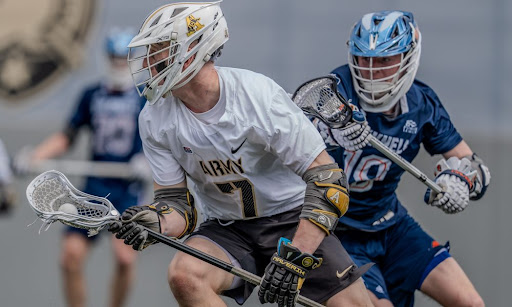
In lacrosse, while goal scoring often grabs the spotlight, defense is equally critical in determining the outcome of a match. Strong defensive play requires strategy, precision, and teamwork. A skilled defense can neutralize even the most talented attackers, turning the tide of the game in an instant.
Men’s lacrosse typically fields 10 players per team, including three defenders and a goalie, while women’s lacrosse uses 12 players, allowing for additional defensive support. Each defender has a specific responsibility—marking attackers, intercepting passes, and preventing shots on goal. Meanwhile, the goalie serves as the last line of defense, often facing high-speed shots that require split-second reactions.
Defense in lacrosse is more than just physical blocking. Positioning, anticipation, and communication are key. A defender must predict the movement of opponents, coordinate with teammates, and execute tactics that can prevent scoring opportunities. This strategic approach is essential for maintaining balance between offense and defense throughout the game.
The importance of timing and coordination in defense mirrors the challenges found in strategic platforms like ironslot. In both, careful observation, planning, and quick execution determine success. A single mistake can lead to an opportunity for the opponent, highlighting the need for constant focus.
Successful defensive plays are among the most thrilling moments in lacrosse. Blocking a critical shot, forcing a turnover, or disrupting an opponent’s rhythm can shift momentum in a team’s favor. Fans and players alike experience the same surge of excitement as when a player secures a win in slot gacor. Both scenarios reward skill, timing, and calculated risk.
Coaches spend significant practice time on defensive strategies. Drills focus on footwork, positioning, and communication, ensuring that defenders can respond to any offensive maneuver. They teach players how to read the game, predict passes, and work as a cohesive unit, emphasizing that defense is a shared responsibility rather than an individual task.
Moreover, defense in lacrosse teaches valuable life skills such as resilience, focus, and teamwork. Players learn that success often comes from preparation, collaboration, and staying calm under pressure. These lessons carry over beyond the field, influencing personal and professional growth.
As lacrosse continues to grow internationally, defense remains a cornerstone of the sport. Every goal prevented, every turnover forced, and every coordinated play underscores the depth of strategy and skill involved. This blend of mental and physical challenge makes lacrosse both captivating to watch and demanding to play.
In conclusion, lacrosse is not only about scoring goals; it is a balanced sport where defense plays a pivotal role. Strong defensive teams exemplify the importance of coordination, anticipation, and teamwork, while thrilling fans with game-changing plays. The strategic focus required in defense is mirrored in the planning and precision of ironslot and the reward-driven excitement of slot gacor, making both sport and strategy equally compelling experiences.